Responding to Survivors
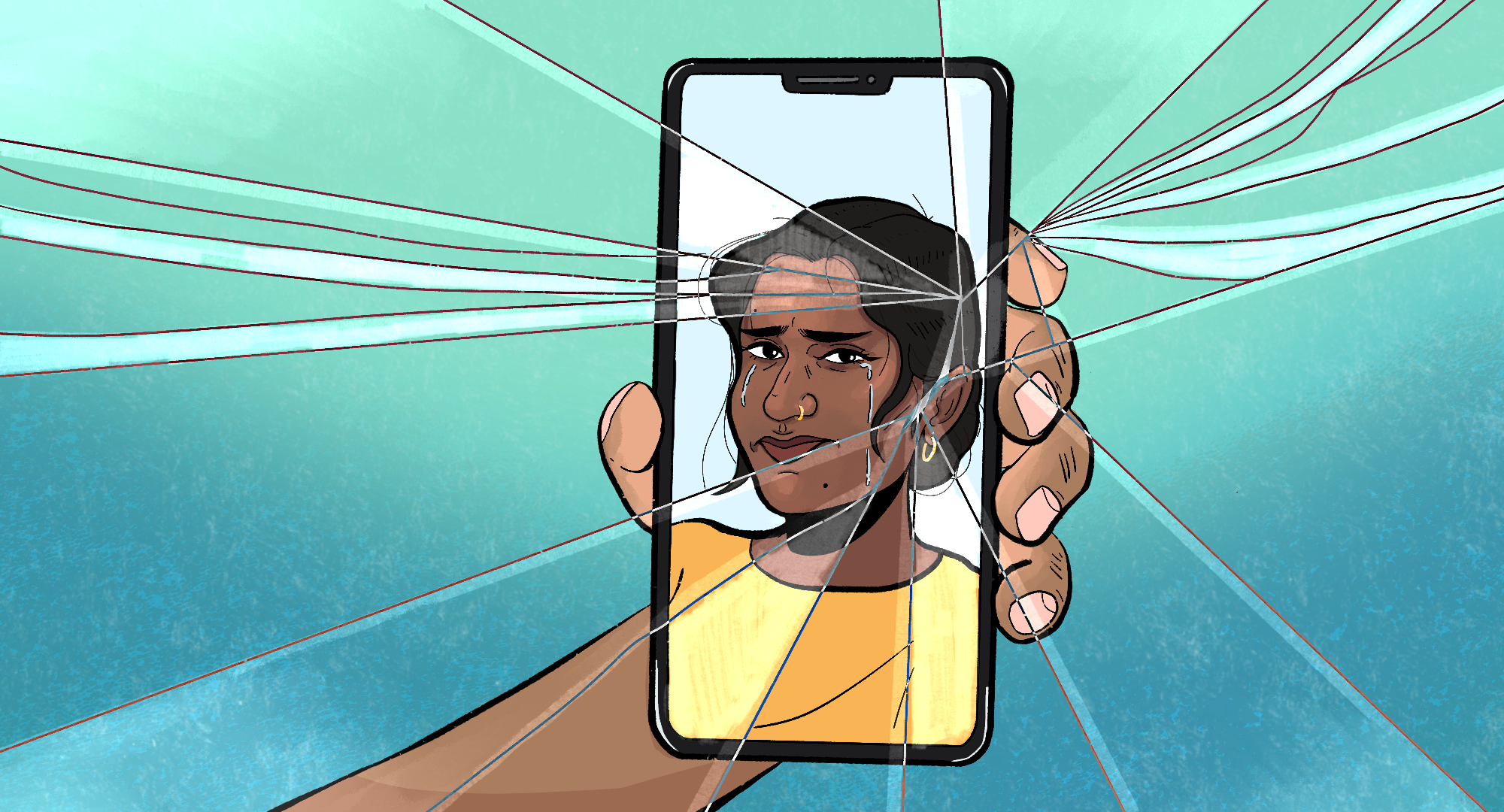
SITUATION:
Divya has been married to her husband for five months. Since the wedding, he has been exhibiting more controlling behaviour, including placing tracking software on her phone. Recently, she found an app that monitors all her online activity downloaded onto her mobile. When she brought this up with her husband, he said there should be no issue if she has nothing to hide. Divya is considering leaving to stay with her family but worries he may escalate if he finds out. There are domestic violence services nearby, but they do not know how to support the technological aspects. How can we support Divya?
RESPONDING TO DIVYA:
If someone is worried their computer, tablet, or mobile device is being monitored, recommend that they use a different device that the abuser has not had physical or remote access to in the past. Good recommendations include a friend’s phone or a public computer at an internet cafe.
While the natural reaction may be to encourage Divya to throw away her devices or close online accounts, some abusive individuals may escalate their behaviour if they’ve lost access to the victim. Before removing a hidden camera or a GPS tracker, think through how the abuser may respond and plan for your safety.
To support Divya, you should create a safety plan and narrow down the technology being used (see Assessing for Technology Abuse).
Ensuring Divya’s Safety
If Divya thinks her online accounts are being accessed, they can change their username and passwords using a safer device. If there is concern about changing these passwords, you can encourage Divya to create new accounts with new email addresses. These emails and social media accounts should use non-identifying information and avoid listing her actual name. If an individual is making new accounts, it is important to remind them not to link their new account to previous accounts.
If Divya thinks her device is being monitored, the safest thing may be to get a new device with an account that the abusive person does not have access to. However, Divya should keep the old device so that her abuser still believes she is using the compromised mobile.
If Divya believes that her abuser may be tracking her location - it is important to determine how they are tracking her location. Divya can check her mobile including apps and accounts to see if location sharing is turned on. They can also call their mobile phone provider to ask if any location sharing services are in use. If they are concerned about a hidden tracking device on their car or in other belongings, a law enforcement agency, private investigator, or a car mechanic may be able to check for them.
It is important to establish a safety plan and document evidence before removing a device or changing an abusive person’s access to their location information.
Bolstering Divya’s Digital Security
Document the Abuse and Collect Evidence
By documenting a series of incidents, Divya can show police or the court a pattern of behaviour that fits a legal definition of stalking or harassment. Victim-survivors should document both technology-facilitated and non-technology-related abuse.
Using a digital abuse log, Divya should explicitly note all forms of online and offline abuse. This can allow for Divya and her support team to assess the range of violence and to document any potential risks. This log can also be useful if Divya wants to report her husband formally or to pursue legal charges.
Filing a Complaint or Making a Report
If Divya feels comfortable, she can file a complaint either anonymously or through the police. In India, the National Cyber Crime Reporting Portal, run by the Indian Cyber Crime Coordination Centre (I4C), provides a direct online portal to register complaints of crimes against women and children. Complaints can be reported and tracked with the complainant's details or anonymously.